
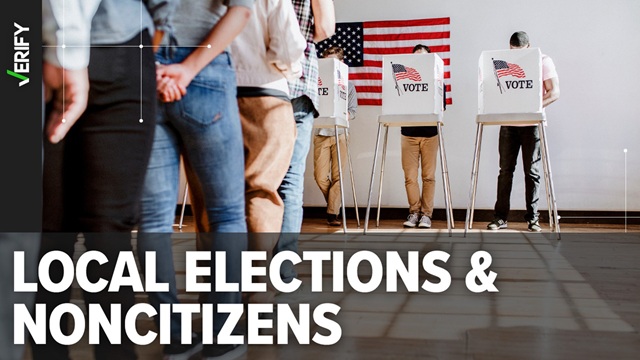
Federal law strictly prohibits noncitizens, including undocumented immigrants and legal residents, from voting in U.S. federal elections
As we approach the 2026 Mid-Term elections on November 3, 2026 we thought it might help to inform everyone of the various laws in place today to stop voter fraud. Please share this with your local supervisor of elections, your senators and members of Congress.
Let’s keep our elections free and fair!
Noncitizens Voting Laws
Federal law strictly prohibits noncitizens, including undocumented immigrants and legal residents, from voting in U.S. federal elections.
Legal Framework
- Federal Law: The Illegal Immigration Reform and Immigrant Responsibility Act of 1996 makes it a federal crime for any noncitizen to vote in federal races. Violations carry penalties of fines, up to one year in prison, immediate deportation, and permanent inadmissibility for future legal immigration status.
- State & Local Elections: No U.S. state permits noncitizens to vote in statewide or state-level elections. A few local municipalities (in states like California, Maryland, Vermont, and Washington, D.C.) permit certain noncitizens to vote exclusively in local municipal elections, such as school board or city council races. These jurisdictions maintain separate local ballots to ensure noncitizens cannot vote in state or federal contests.
Verification & Frequency
- Voter Eligibility Verification: All state voter registration applications require applicants to affirm U.S. citizenship under penalty of perjury. Election officials verify citizenship data through state driver’s license databases and federal databases.
- Prevalence: Multiple state audits, federal investigations, and nonpartisan research studies show that noncitizen voter registration and voting in federal or state elections are noncitizen voting incidents are exceedingly rare. Most flagged instances occur due to administrative processing errors (such as automatic voter registration systems at motor vehicle departments) rather than intentional fraud.
If you are looking for specific resources on voter registration requirements or eligibility guidelines in your area, you can review details via the U.S. Election Assistance Commission or your local state election authority.
Dead People Voting Laws
Voting or attempting to vote on behalf of a deceased person is illegal under both federal and state laws. Because voting regulations, verification procedures, and criminal penalties vary by jurisdiction, you can consult official government resources for information regarding election laws and voter registration maintenance:
- Official Voting Information & Regulations: State-by-state voter eligibility guidelines, election laws, and registration procedures are outlined on the U.S. Election Assistance Commission website or through your local state election authority.
- Federal Election Code: Details on federal criminal penalties related to election processes and fraudulent voting can be reviewed directly via the U.S. House Office of the Law Revision Counsel.
Overview of Legal Standards
- Voter Impersonation & Fraud: Casting a ballot in the name of an ineligible or deceased voter constitutes voter fraud. Federal law prohibits submitting fraudulent ballots or giving false information in connection with voting in federal elections.
- State Penalties: States maintain individual election codes that classify intentional voting in another person’s name as a crime, often categorized as a felony carrying fines and potential imprisonment.
- Voter Roll Maintenance: State and local election officials conduct routine voter list maintenance, cross-referencing death records provided by state vital statistics agencies and the Social Security Administration to remove deceased individuals from active voter rolls.
Voting More Than Once Laws
Voting or attempting to vote more than once in the same election is illegal under both federal and state laws in the United States.
Legal Framework & Standards
- Federal Law: Under 52 U.S.C. § 10307(e), it is a federal crime for any individual to vote or attempt to vote more than once in an election for federal office. Federal penalties include fines up to $10,000, imprisonment for up to five years, or both.
- State Penalties: Every state maintains laws prohibiting double voting, whether casting multiple ballots within the same state or voting in two different states during the same election cycle. State penalties vary, but double voting is generally classified as a felony resulting in significant fines, loss of voting rights, and potential state prison time.
- Procedures & Enforcement: Election authorities use multi-state data exchanges (such as the Electronic Registration Information Center) and cross-reference voter rolls to detect individuals registered or casting ballots in multiple jurisdictions.
Official state-by-state voter eligibility guidelines, election regulations, and registration procedures are available through the U.S. Election Assistance Commission.
Election Integrity
Discussions around election integrity, voting regulations, and voter fraud reflect a wide range of public perspectives and policy debates:
- Official Guidance: You can review official information regarding voter registration, state election administration, and federal voting laws on the U.S. Election Assistance Commission website.
- Federal Law Enforcement Statements: The FBI Election Crimes and Security resource page outlines how federal authorities define and investigate election fraud, voter suppression, and ballot irregularities under federal law.
- Historical Perspectives: Political figures and legal scholars often deliberate the balance between securing election systems against potential fraud and ensuring accessible voting access for all eligible citizens.
For specific local voting procedures, voter roll verification processes, or election security measures, consult your state or local election office.
©2026 Editorial Board – DrRichSwier.com. All rights reserved.
Leave a Reply
Want to join the discussion?Feel free to contribute!