
Here’s Why Trump Is Considering Strikes On Another African Nation
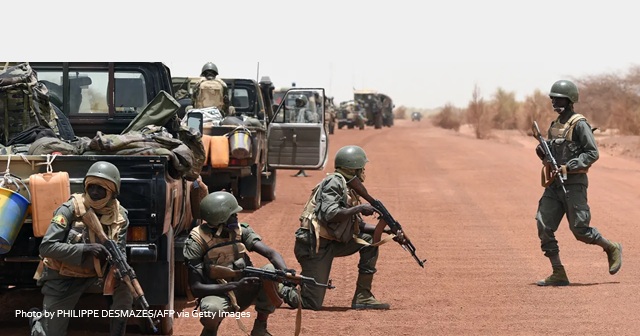
Regional foreign policy experts told the Daily Caller that reports the Trump administration may be weighing direct military action against terrorists in Mali appear credible. However, they said any intervention would likely be framed as protecting U.S. national security by dismantling terrorist strongholds, rather than defending persecuted Christians as the administration has emphasized in neighboring Nigeria.
Citing current and former U.S. officials, a Washington Post report published Wednesday said the administration is weighing military action in Mali, a prospect that seemed to catch the Malian government off guard.
“We have no confirmation and no official statement from the United States or U.S. officials on this matter. We are waiting to see what stance the U.S. government will take,” Malian Foreign Minister Abdoulaye Diop said Thursday. “I can assure you that Mali is not sitting idly by waiting for others to come and solve our problems.”
While Mali’s military government may not be sitting idly by, it also is not winning its fight against the U.S.-designated Foreign Terrorist Organization Jama’at Nusrat al-Islam wal-Muslimin (JNIM). The jihadist group continues to gain ground as it seeks to replace the junta with a government based on Sharia law.
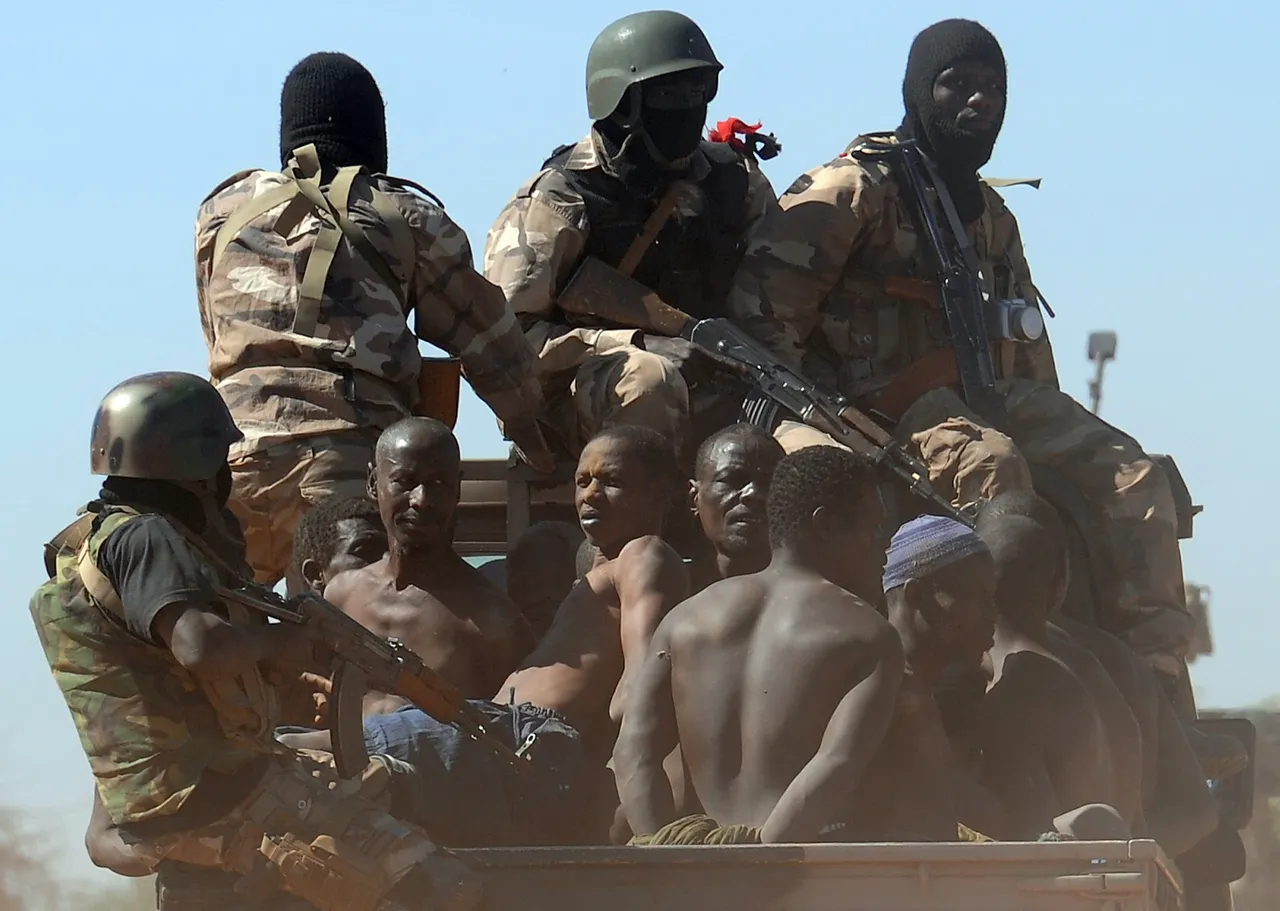
The White House neither confirmed nor denied that direct attacks are under consideration, but an administration official told the Caller that terrorism in the Sahel is a “multi-national problem” and urged “regional partners and NATO allies to support the Alliance of Sahel States in their war against JNIM and ISIS.”
The official also said countries in the region should purchase U.S. equipment and services to support their war efforts against the terrorists.
The official said the U.S. wishes the Alliance of Sahel States success but argued that its reliance on Russia’s ineffective counterterrorism capabilities has contributed to the alliance’s “deteriorating security situation.” The official added that the administration hopes “other African nations take note of Russia’s terrible performance in combating terrorism.”
Scott Morgan, a D.C.-based security consultant with Red Eagle Enterprises and a writer at Confused Eagle, told the Caller that a strike remains plausible, saying Mali’s public statements leave open the possibility of future collaboration with the U.S.
Morgan also suggested that although Russia’s partnership with Mali complicates matters, the opportunity to embarrass the Kremlin may be exactly what draws the U.S. into the conflict.
The consultant said a successful U.S. counterterrorism operation would give Russia a “black eye” and “screw over Putin,” noting that money generated from the African conflict has helped prolong Russia’s war in Ukraine.
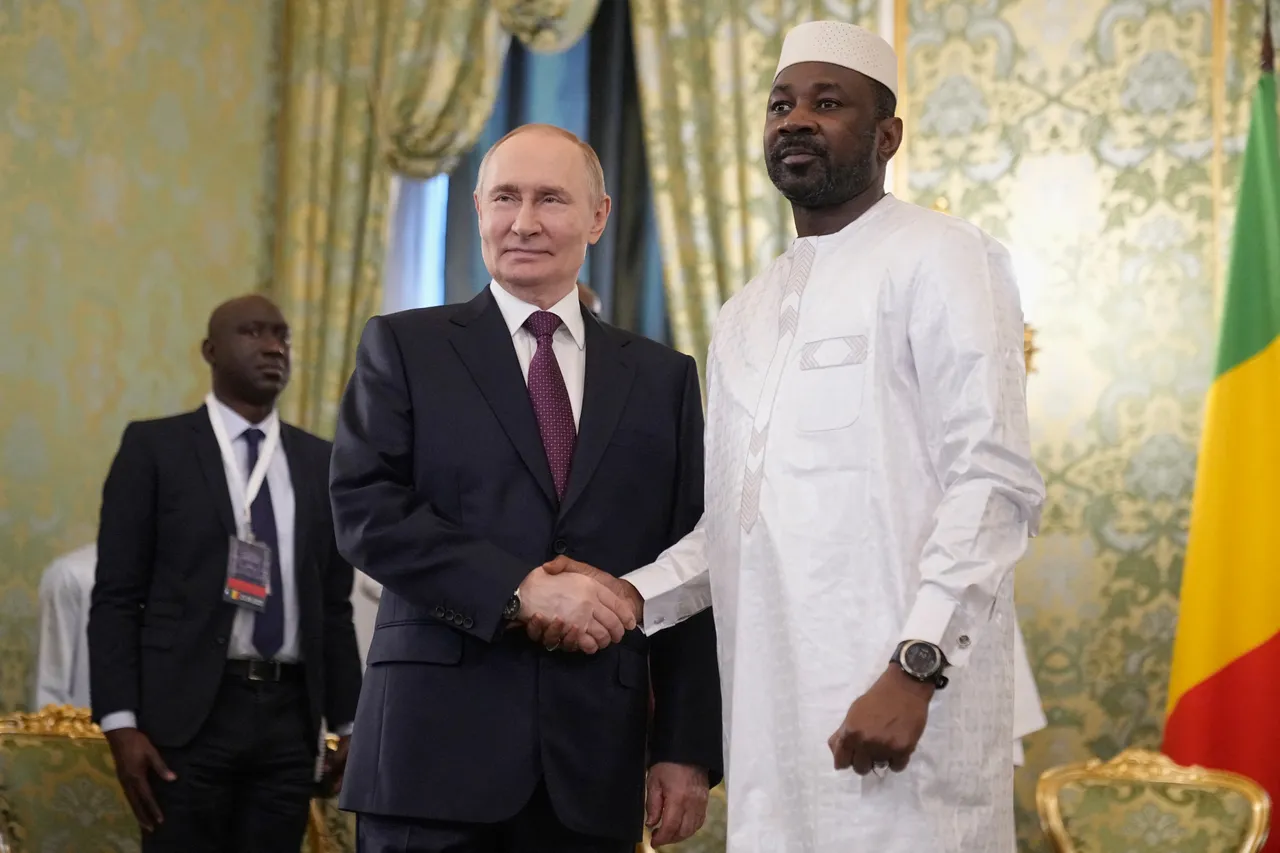
Morgan remains skeptical, however, because recently confirmed Assistant Secretary of State for African Affairs Frank Garcia visited Mali in mid-July, yet no apparent agreement emerged despite Garcia being the most likely administration official to broker one.
Ebenezer Obadare, a senior fellow at the Council on Foreign Relations and an expert on the region, was more confident that the U.S. will eventually become involved.
“It’s always been clear to people like myself who study the Sahel that, at some point, something has to be done,” Obadare told the Caller.
Obadare believes Russian incompetence, coupled with American inaction, could eventually force the U.S. to intervene as JNIM moves closer to destabilizing the region and threatening American interests across Africa.
The senior fellow said that if Trump does intervene, it cannot be a two- or three-month operation. Instead, it would require a long-term commitment and partnership between the U.S. and Mali.
Such a partnership could share some features with the counterterrorism agreement between the U.S. and neighboring Nigeria. That agreement seeks to advance the White House’s stated goals in Africa by preventing jihadi groups from establishing bases capable of launching attacks against the U.S. or its interests while also seeking to “protect Christians, who have been slaughtered at the hands of these Jihadi groups.”
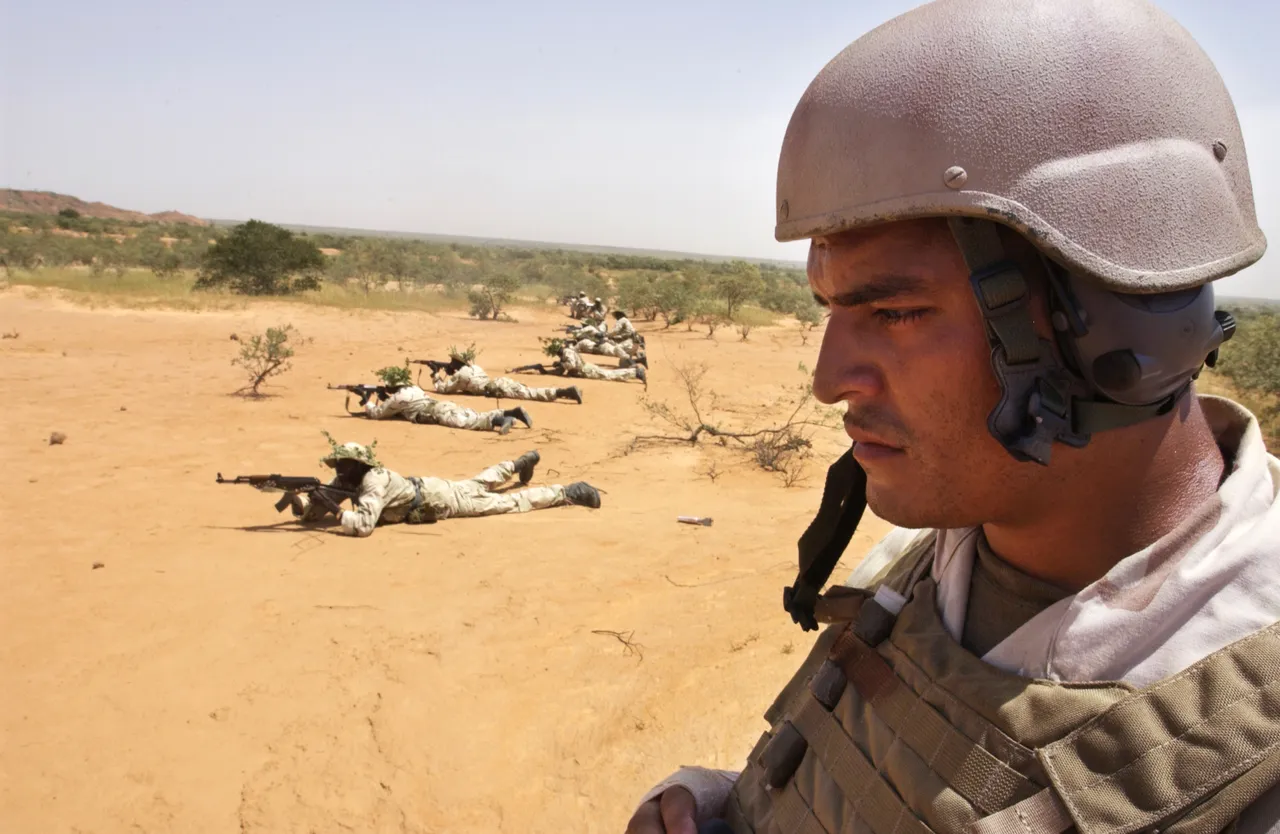
But both Obadare and Morgan said any agreement with Mali would differ significantly from the one reached with Nigeria for reasons that go beyond Russia’s presence.
Unlike Nigeria, which has a struggling but civilian government, Mali’s current leaders came to power through a series of coups beginning during the Obama administration.
A strong, long-term partnership between the world’s leading superpower and Mali could further entrench and legitimize the military government. However, Obadare said a carefully negotiated and successfully implemented collaboration could both halt the jihadi advance and create the conditions for the junta to eventually relinquish power.
The administration’s public rationale for intervening in Mali would also likely differ from its justification for working with Nigeria. In Nigeria, Trump has repeatedly emphasized the persecution and killing of Christians by jihadist groups, whereas experts say U.S. involvement in Mali would likely be framed around national security concerns.
Still, the State Department stressed that protecting persecuted Christians remains an administration priority.
“The Trump Administration has made it clear that protecting religious freedom for all individuals, including Christians – the most persecuted religious group worldwide – is a priority,” a State Department spokesperson told the Caller.
Open Doors, the Christian advocacy and research group whose death toll figures Trump has cited in discussing U.S. policy toward Nigeria, ranks Nigeria as the seventh most dangerous country in the world for Christians. Mali is not far behind at No. 15.
Five of these countries are in the top 15 of the latest list (#Somalia, #Eritrea, #Sudan, #Nigeria and #Mali), making them a place of extreme persecution for many of their Christians.
The escalating and widespread persecution in the region reinforces the importance of your… pic.twitter.com/FosKb8Kzvz
— Open Doors UK (@OpenDoorsUK) January 17, 2026
A legal expert working with Open Doors in sub-Saharan Africa told the Caller that the reports of possible U.S. action should draw international attention to the often-overlooked crisis facing Christians and moderate Muslims across Mali and the broader Sahel.
“Christian communities have faced attacks on churches, kidnappings of clergy, displacement, and pressure to abandon their faith, while millions across the region live under the constant threat of violence,” the legal expert said. “As one local church leader told Open Doors, ‘While security in Bamako has improved, the situation remains deeply worrying for those in rural areas. Church activities in many communities remain limited because of the ongoing insecurity.’”
He added that any national or international response must prioritize protecting civilians, saying, “lasting peace will require sustained regional cooperation, accountability, and the protection of every community vulnerable to violence.”
Christians in Mali report being given a devastating ultimatum from Islamic extremists: give the militants money or soldiers, or flee their homes.
Read the story: https://t.co/XMo70CWRgM pic.twitter.com/vQzb2nnWfK
— Open Doors UK (@OpenDoorsUK) August 30, 2024
However, Obadare believes there are too few Christians remaining in Mali to generate the same level of documentation and advocacy seen in Nigeria, efforts that he said are necessary to build broader continental support for counterterrorism operations.
“This is not just about defending Christians, which we should do,” Obadare said. “It’s about protecting our long-term interests in making sure the bad guys don’t become squatters in a region of West Africa, making themselves comfortable, and then ultimately bringing problems to us here in the United States.”
“West Africa is the epicenter of the Islamist insurgency in the entire world,” Obadare said. “You don’t need extra justification for that.”
AUTHOR
Derek VanBuskirk
Reporter
RELATED ARTICLES:
Here’s How Trump’s Houthi Headache Could Turn Into Full Blown Migraine
The Terror Network Slaughtering Nigerian Christians Has Escaped America’s Blacklist
House Deals Bipartisan Blow To Trump Admin’s Iran War Efforts
RELATED VIDEOS:
Senator Tim Sheehy (R-MT) delivers an incredibly powerful speech about Iran
EDITORS NOTE: This Daily Caller column is republished with permission. ©All rights reserved.
Leave a Reply
Want to join the discussion?Feel free to contribute!