
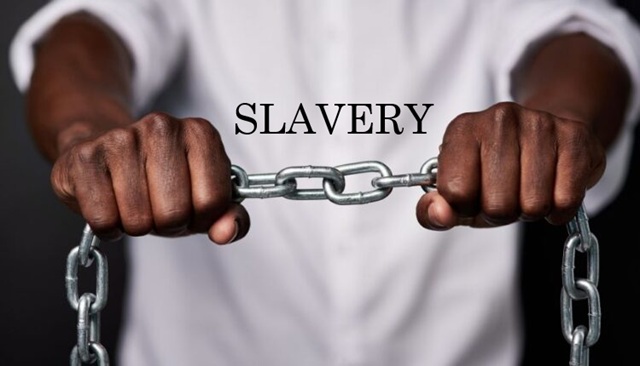
THE TRUTH: Comparing Slavery in Islam and Christianity
Comparison Summary
Role of Slaves
Diverse roles including household labor, administrative/military roles (e.g., Mamluks, Janissaries), agricultural labor, and concubinage.
Ranged from domestic and skilled labor in antiquity to brutal, large-scale agrarian plantation labor in the early modern Americas.
Abolition Process
Abolished across the 18th and 19th centuries, largely driven by Christian abolitionist movements, civil wars, and parliamentary legislation.
Abolished primarily in the 19th and 20th centuries through international pressure, colonial policies, and internal legal reforms within Muslim-majority
Theological and Scripture Foundations
Islam: The Qur’an and Hadith recognize slavery as an existing social institution and outline guidelines to mitigate its harshness. Freeing slaves is repeatedly cited as a virtuous deed (kaffara) to expiate specific sins or gain spiritual reward. While the legal tradition codified rules for buying, selling, and owning individuals—including female concubinage—it established specific rights for slaves, such as the mukataba (a contract allowing a slave to purchase their freedom).
Christianity: The Old Testament outlines laws regarding servitude, distinguishing between Hebrew servants and foreign slaves. In the New Testament, early Christian writings instruct enslaved people to serve their masters faithfully and urge masters to treat enslaved people with fairness (e.g., Ephesians 6:5–9, Colossians 3:22), emphasizing spiritual equality before God (Galatians 3:28) rather than immediate legal emancipation.
Path to Abolition
Christian Abolition Movement: In the 18th and 19th centuries, Christian groups (such as Quakers, Methodists, and Evangelicals in Britain and the U.S.) used biblical arguments of human dignity to spearhead the abolitionist movement. Conversely, pro-slavery theologians in the American South used biblical texts to defend the institution, leading to major denominational schisms.
Abolition in the Muslim World: Systematic abolition in Muslim-majority regions occurred mainly during the 19th and 20th centuries. It was achieved through a combination of diplomatic pressure from Western powers, internal religious reinterpretation by modern Muslim scholars who argued that the trajectory of Islamic law favored universal freedom, and government decrees in nations like Tunisia (1846), the Ottoman Empire (1850s), and Saudi Arabia (1962)
Theological and Scripture Foundations
Islam: The Qur’an and Hadith recognize slavery as an existing social institution and outline guidelines to mitigate its harshness. Freeing slaves is repeatedly cited as a virtuous deed (kaffara) to expiate specific sins or gain spiritual reward. While the legal tradition codified rules for buying, selling, and owning individuals—including female concubinage—it established specific rights for slaves, such as the mukataba (a contract allowing a slave to purchase their freedom).
Christianity: The Old Testament outlines laws regarding servitude, distinguishing between Hebrew servants and foreign slaves. In the New Testament, early Christian writings instruct enslaved people to serve their masters faithfully and urge masters to treat enslaved people with fairness (e.g., Ephesians 6:5–9, Colossians 3:22), emphasizing spiritual equality before God (Galatians 3:28) rather than immediate legal emancipation.
Historical Practice & Economic Systems
Islamic World
Integration into Society: Enslaved individuals were often integrated into household units, state administration, or military structures. Elite military slavery, such as the Mamluks of Egypt or the Ottoman Janissaries, allowed enslaved men to attain significant political power.
Manumission & Social Mobility: Because freeing slaves was spiritually encouraged and children born to an enslaved woman and her free master were legally recognized as free, generational slavery was less fixed compared to chattel systems. However, agricultural plantation slavery did exist, such as during the Zanj rebellion in 9th-century Iraq.
Christian World
Medieval Serfdom to Transatlantic Trade: In Western Europe, ancient chattel slavery gradually transitioned into serfdom during the Middle Ages. However, beginning in the 15th century, Christian European powers established the Transatlantic slave trade, creating a vast racialized chattel slavery system in the Americas.
Racial Hereditary Slavery: Unlike early Christian or medieval practices, modern Atlantic slavery defined slaves as literal property with inherited slave status across generations, denying basic legal rights, family structure, or standard paths to manumission.
While legal chattel slavery has been officially abolished in every country worldwide, modern slavery—which includes forced labor, debt bondage, forced marriage, human trafficking, and remnants of hereditary slavery—continues to exist globally.
According to the Walk Free Foundation’s Global Slavery Index (GSI) and the International Labour Organization (ILO), modern slavery affects millions of people across all regions, including several Muslim-majority nations. The conditions in these countries typically fall into distinct categories of exploitation:
Hereditary (Descent-Based) Slavery:
- Mauritania: Mauritania was the last country in the world to officially abolish slavery (in 1981) and criminalize it (in 2007). Despite this, descent-based chattel slavery persists in practice, where individuals from certain ethnic groups are born into servitude to dominant groups. The GSI estimates that approximately 32 out of every 1,000 people in Mauritania live in modern slavery.
Migrant Labor Exploitation (The Kafala System):
- Gulf States (Saudi Arabia, UAE, Kuwait, Qatar): Modern slavery in the wealthy Gulf nations is heavily tied to the exploitation of foreign migrant workers in construction, domestic work, and service industries. The kafala (sponsorship) system binds workers to their employers, often resulting in confiscated passports, unpaid wages, and inability to leave the country, which human rights organizations classify as forced labor. Saudi Arabia and the UAE have some of the highest prevalence rates of modern slavery in the region.
High Absolute Numbers (Systemic Debt Bondage & Forced Labor):
- Pakistan, Indonesia, and Bangladesh: Due to their massive populations, these countries have some of the highest absolute numbers of people living in modern slavery. In Pakistan (estimated 2.3 million victims), bonded labor in agriculture and brick kilns is particularly prevalent. Indonesia and Bangladesh also see high rates of forced labor within domestic work, manufacturing, and global supply chains.
Conflict and Instability:
- Afghanistan, Syria, Yemen, and Somalia: Countries suffering from severe conflict or state collapse see massive spikes in modern slavery. This includes forced child marriage, forced recruitment by armed groups, and widespread human trafficking of displaced refugees.
Global Context
It is important to note that modern slavery is not exclusive to Muslim-majority countries. The highest absolute numbers of people in modern slavery are found in India and China, while the highest prevalence rate by population is in North Korea (driven by state-imposed forced labor) and Eritrea.
Wealthy Western nations, including the United States and the United Kingdom, also grapple with hundreds of thousands of individuals trapped in human trafficking and forced labor.
©2026 Dr. Richard M. Swier, LTC U.S. Army (Ret.). All rights reserved.
Leave a Reply
Want to join the discussion?Feel free to contribute!